

What is an ICPE and why use an environmental lawyer?
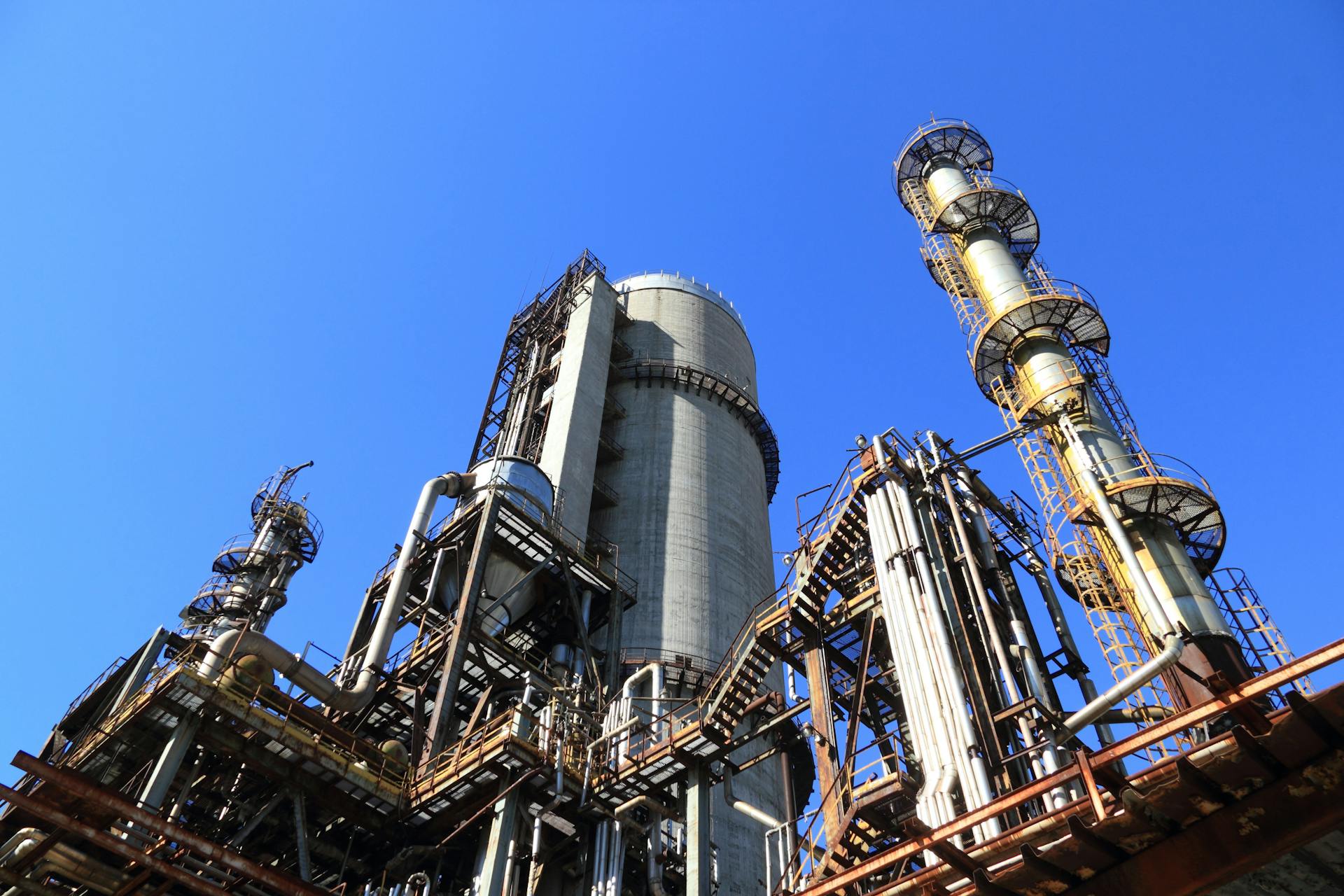
Les Classified Installations for Environmental Protection (ICPE) include all industrial or agricultural installations likely to generate risks or nuisances for the environment, public health, safety or the neighborhood. Their legal framework is based on the Environmental code, which provides for three distinct regimes depending on the level of danger: declaration, registration or authorization. The ICPE nomenclature sets precisely the thresholds applicable to each type of activity.
Faced with the complexity of this regulation and the considerable legal challenges, the intervention of a lawyer familiar with the legal framework of ICPEs becomes indispensable for any operator. Indeed, non-compliance with obligations may result in heavy administrative, civil and criminal penalties. The lawyer accompanies the operator from the design phase of the project to the cessation of activity, including the management of disputes. It thus guarantees regulatory compliance and legally secures all procedures.
In addition, ICPE operators must navigate in a constantly evolving normative environment, where environmental requirements are constantly increasing. The expertise of a lawyer makes it possible to anticipate these changes and adapt practices to avoid any legal risk.
The essential missions of the ICPE lawyer during the project phase
Legal audit and securing the application file
The lawyer who is an expert in ICPE regulations intervenes at an early stage for check the conformity of the environmental authorization application file, registration or declaration. This crucial step makes it possible to identify possible documentary gaps and to ensure that all mandatory studies are complete and in line with the expectations of the administration.
Concretely, the lawyer looks at theenvironmental impact study And thehazard study, two technical documents essential for the examination of the file. It also verifies compliance with the “Avoid, Reduce, Compensate” sequence (ERC), a fundamental principle of environmental law that requires priority to be given to the avoidance of negative impacts, then their reduction, and finally their compensation when the first two options are insufficient.
The lawyer also advises the operator on the choice of the applicable regime (declaration, registration or authorization) according to the thresholds of the ICPE nomenclature. This choice determines the level of administrative complexity and the processing times. In addition, he writes and negotiates the environmental clauses in contracts for the acquisition or transfer of sites, in particular environmental liability guarantees that protect the purchaser against possible historical pollution.
Support during administrative instruction
Once the file has been filed, the lawyer insures the follow-up of the instruction with the prefecture and the DREAL (Regional Directorate for Environment, Development and Housing). It responds to requests for supplements made by the instructing services and ensures compliance with the legal deadlines for instruction.
The lawyer also prepares the operator forpublic inquiry, a phase during which the project is subject to consultation with the public and stakeholders. It prepares responses to the observations made and accompanies the project leader during any public meetings. This step is critical because negative opinions or objections can influence the final decision of the administration.
In addition, the lawyer can intervene to Negotiate technical requirements which will be imposed in the prefectural authorization decree. These requirements define operating conditions (authorized discharges, surveillance, safety equipment, etc.) and must be technically and economically acceptable for the operator.
Everyday legal advice for ICPE operators
Compliance with regulatory obligations during operation
The operation of an ICPE is accompanied byongoing regulatory obligations that the lawyer helps to respect. Among these are the outfit of follow-up records (waste, discharges, incidents), the realization of periodic checks by approved organizations, and mandatory declarations to the administration (annual declaration of polluting emissions, for example).
The lawyer also assists the operator during inspection visits conducted by State services. Indeed, these checks may lead to findings of non-compliance and formal notices. The presence of legal advice makes it possible to better understand the observations made and to prepare an appropriate response within the time limit set.
In addition, the lawyer advises on operational changes which may require a new authorization or a simple report. Concretely, the addition of a new process, the increase in production capacity or the change of products handled can cause the installation to switch to a different section of the ICPE nomenclature, with significant regulatory consequences.
Training and legal monitoring
The lawyer who is an expert in ICPE law ensures a permanent legal monitoring to inform its customers of regulatory changes. Indeed, environmental law is evolving rapidly under the impetus of European law and France's climate commitments. Operators must anticipate these changes in order to adapt their installations in good time.
The lawyer also organizes training sessions for technical teams and operations managers. These courses make it possible to raise awareness of legal risks, to explain legal obligations in simple terms, and to promote good environmental practices within the company.
Administrative litigation in the area of ICPE
Appeals against administrative decisions
The administrative litigation constitutes a major part of the activity of the ICPE lawyer. It intervenes when the operator wishes to contest a Refusal of authorization, of requirements considered excessive, or even a Order of formal notice or closure. The appeal is made to the administrative court with territorial jurisdiction, generally within two months from the notification of the contested decision.
It is a full litigation recourse, which means that the administrative judge has extensive powers. Beyond the simple cancellation of the act, he can modify the requirements, temporarily maintain the authorization under conditions, or even order the administration to issue or withdraw an authorization. This flexibility offered to the judge makes it possible to obtain tailor-made solutions adapted to each situation.
The avocado can also use the Referred suspension in case of emergency. This procedure makes it possible to quickly obtain the suspension of the execution of the contested act, provided that the urgency and the existence of serious doubts about the legality of the decision are demonstrated, and that an appeal on the merits has been filed. Concretely, an interim suspension may avoid the immediate closure of an installation pending the outcome of the main judgment.
Third-party remedies and operator defense
ICPE operators are also confronted with remedies brought by third parties : environmental protection associations, residents, local authorities or competitors. These remedies are generally aimed at contesting the issuance of a license to operate by invoking procedural flaws, the inadequacy of impact studies, or the infringement of the interests they defend.
The lawyer then intervenes to defend the legality of the authorization issued and demonstrate that the project meets all regulatory requirements. He produces detailed briefs, seeks technical expertise if necessary, and pleads before the administrative tribunal. In addition, it can propose corrective or compensatory measures to meet the legitimate concerns of claimants and secure the outcome of the litigation.
In addition, the lawyer accompanies the operator in managing relationships with neighbours to prevent conflicts and limit the risks of litigation. The implementation of transparent communication and measures to reduce nuisances contributes to easing tensions and maintaining the social acceptability of the project.
Criminal litigation and environmental offenses
Criminal sanctions incurred by operators
The non-compliance with ICPE requirements exposes the operator to criminal prosecutions for environmental offenses. The most frequent cases concern exploitation without authorization, the exceeding of authorized pollution thresholds, illegal discharges into the natural environment, or the failure to implement the measures prescribed by the administration.
Criminal sanctions can be severe: fines of up to several hundred thousand euros and, in the most serious cases, prison sentences. Indeed, serious attacks on the environment or public health are punishable by reinforced criminal sanctions. In addition, the criminal judge may order the rehabilitation of the site at the operator's expense, or even the permanent closure of the installation.
The ICPE law lawyer ensures the defense of the operator before the criminal court. He analyzes the reports of findings prepared by inspectors of classified facilities, contests the elements constituting the offence where possible, and pleads mitigating circumstances to obtain a reduction in the sentence. Concretely, he can demonstrate that the operator acted diligently to regularize his situation or that the offense is the result of a case of force majeure.
Cumulative sanctions and the “non bis in idem” principle
A point of vigilance concerns the cumulation of administrative and criminal sanctions. Indeed, the same fact can give rise to an administrative warning accompanied by a penalty payment, as well as to criminal proceedings. However, the European principle “No bis in idem” prohibits the conviction of a person twice for the same acts when the sanctions are of the same repressive nature.
The lawyer ensures that this principle is respected and, where appropriate, raises this exception before the competent courts. In addition, he can negotiate with the administration and the prosecutor's office to favor a settlement solution that avoids the accumulation of procedures. La Criminal transaction, for example, allows proceedings to be closed in exchange for the payment of a fine and the regularization of the situation without registering a criminal record.
The cessation of activity and the rehabilitation of the site
The obligations of the operator upon cessation
When an operator permanently ceases the activity of an ICPE, he must respect strict site rehabilitation obligations. These obligations aim to prevent any risk to the environment and health, and to allow future use of the land compatible with its environment.
The operator must notify the prefect of the cessation of activity, then carry out soil studies to characterize the possible state of pollution of the site. Depending on the results, it will have to implement pollution control measures adapted to the future use of the land. In addition, he must eliminate dangerous products, empty and clean the installations, and possibly dismantle certain equipment.
The lawyer accompanies the operator in the Preparation of the cessation file, the negotiation with the administration on the extent of the rehabilitation measures, and the management of possible disputes related to this phase. Indeed, pollution control costs can be considerable and be the subject of disagreements between the operator and the administration or between seller and purchaser during a site transfer.
Management of environmental liabilities during disposals
La transfer of an ICPE site raises complex legal questions related to transfer of environmental liabilities. The purchaser must be informed of the state of pollution of the site and of the regulatory obligations that weigh on him. Otherwise, he could turn against the seller for a hidden defect or breach of the obligation to provide information.
The lawyer writes specific contractual clauses to distribute responsibilities between the parties: guarantee of environmental liabilities, clean-up obligations, compensation in the event of the discovery of undeclared pollution. Concretely, these clauses make it possible to secure the transaction and to avoid costly subsequent litigation.
In addition, the lawyer can advise on financial guarantee mechanisms (pollution insurance, bank guarantee) to cover future pollution control or rehabilitation costs. These guarantees are sometimes required by the administration or negotiated between the parties to protect the purchaser.
Civil litigation: neighborhood disturbances and liability
Civil liability actions
ICPE operators may be confronted with civil liability actions committed by local residents or third parties due to the nuisances generated by the installation: noise, odors, vibrations, water or soil pollution. These actions aim to obtain the compensation for the damage suffered and sometimes the cessation of the activity in question.
The legal basis for these actions is often based on the theory of abnormal neighborhood disturbances, which allows the operator to be held liable without having to prove fault. It is sufficient to demonstrate that the nuisances exceed the normal disadvantages of the neighborhood, taking into account the nature of the environment. Concretely, a factory located in an industrial zone will be judged according to criteria different from an installation located in a residential area.
The lawyer defends the operator by showing that all regulatory requirements are met, that measures to reduce nuisances have been implemented, and that the disorders invoked do not exceed the threshold of anomaly. He may also challenge the existence or extent of the alleged harm by seeking contradictory technical expertise.
Conflict prevention and mediation
Beyond litigation defense, the lawyer advises the operator on conflict prevention strategies with the neighborhood. The establishment of site monitoring commissions, the organization of visits to the installation, or the regular dissemination of information on environmental performance contribute to creating a climate of trust.
In the event of a dispute, the lawyer can suggest recourse to the mediation or to alternative dispute resolution methods. These procedures make it possible to find negotiated solutions more quickly and at a lower cost than a traditional legal procedure. In addition, they maintain relationships with the neighborhood and the image of the company.
Concrete examples of cases managed by an ICPE lawyer
To illustrate the diversity of the missions of a lawyer specialized in ICPE, here are some Typical cases frequently encountered:
- Creating a career : preparation of the application for environmental authorization, drafting of the impact study and the hazard study, support during the public investigation, defense against recourse by third parties.
- Extension of an agricultural farm : verification of the applicable ICPE nomenclature, registration or authorization file according to the thresholds, management of relationships with environmental protection associations.
- Accidental pollution : defence in criminal litigation following a spill of polluting substances, negotiation with the administration to avoid the closure of the establishment or site, implementation of corrective measures.
- Modification of an industrial installation : file to be notified for the addition of a new process, verification of compliance with the ERC sequence, obtaining a complementary prefectural decree.
- Sale of an industrial site : prior environmental audit, drafting of environmental liability guarantee clauses, support for the rehabilitation and transfer of authorizations.
- Litigation against a formal notice order : recourse to the administrative court to challenge requirements deemed technically impossible to implement, negotiation of a compliance schedule.
These examples show that the ICPE lawyer intervenes at each stage of the life of an installation, from its design to its termination, including the operational and litigation phases.
Conclusion: the ICPE lawyer, an indispensable strategic partner
In an increasingly demanding regulatory environment, The ICPE lawyer plays a central role in legally securing industrial and agricultural projects, preventing the risks of litigation, and effectively defending the interests of operators. Its expertise makes it possible to anticipate legislative changes, to optimize administrative procedures, and to guarantee compliance with environmental obligations.
Whether for Assembling an authorization file, contesting an unfavourable administrative decision, managing accidental pollution, or secure a site transfer, the lawyer provides an indispensable global and strategic vision. It supports the operator throughout the life of the installation, by combining preventive advice and litigation defense.
For companies affected by the ICPE regulations, surrounding themselves with specialized legal advice is not a luxury but a necessity to perpetuate their activity, control their legal risks and maintain their responsibility.
Legal sources and references
- Environmental Code, in particular articles L. 511-1 and following relating to classified installations
- Nomenclature of classified installations (appendix to article R. 511-9 of the Environmental Code)
- Decree No. 2017-81 of 26 January 2017 relating to environmental authorization
- Jurisprudence of the Council of State and administrative courts in the field of ICPE
- Articles and practical guides from specialized sites: green-law-avocat.fr, pouget-avocat.fr, village-justice.com
- Administrative documentation: prefectures, DREAL, Ministry of Ecological Transition
.svg)
.svg)